

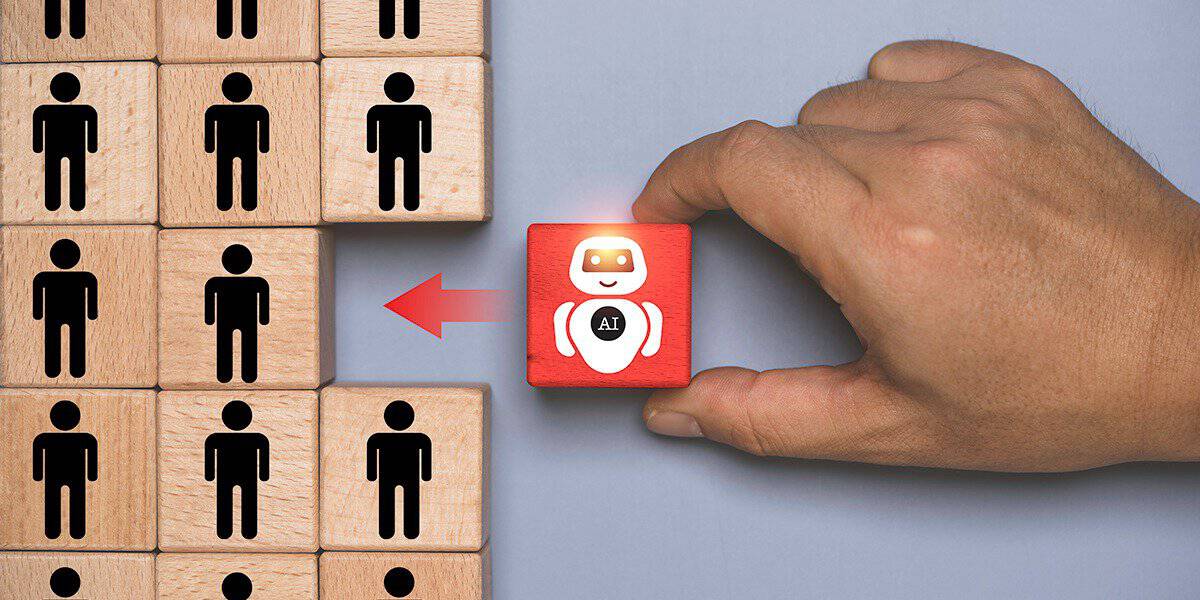
You don't work in a smart factory with robots on a production line. You work on a refinery, a water treatment plant, a construction site, or a vessel under repair. Your environment is complex, often hazardous, and changes every single day.
So when people talk about AI and automation taking over technical jobs, is that actually relevant to you?
Yes. But probably not in the way you think.
What's Already Changing in Your World
In the petrochemical industry, automation is no longer a distant concept. It's already inside control rooms, pipelines, refineries, and maintenance systems, quietly reshaping how plants operate and how engineers work.
Specifically: sensors continuously collect data from equipment such as compressors, distillation columns, and heat exchangers, transmitted in real time to central systems. AI monitors that data around the clock, flagging anomalies before they become failures.
In utilities and infrastructure, the picture is similar. Electricians, controls technicians, pipefitters, and other mechanical and electrical professionals are increasingly being recruited by multiple industries simultaneously. Partly because the infrastructure needed to run AI itself requires massive physical installation and maintenance work that no algorithm can perform.
And in shipbuilding? Automation is entering design, planning, and quality control. But hulls still need welding. Systems still need commissioning. Experienced hands are still the ones making it happen.
The Part Nobody Likes to Say Out Loud
Some of what you do is being automated. Maintenance technicians are evolving into predictive maintenance analysts who rely on sensor data and diagnostic tools rather than physical inspection alone. Routine checks that used to require someone on-site are increasingly handled by sensors and monitoring software.
That's real. And pretending otherwise doesn't help you prepare.
But here's what's equally real: technical expertise remains essential; it must now be complemented by digital literacy, familiarity with automation software, and an understanding of data analytics. Engineers who can bridge the gap between traditional process knowledge and modern digital systems are becoming highly valuable.
In other words, the technician who understands both the physical system and what the monitoring software is telling them is worth more than either alone.
Why Experienced Technicians Are Still Hard to Replace
In petrochemicals, utilities, infra, and shipbuilding, environments are unpredictable, safety-critical, and heavily regulated. Electricians and mechanics work in unpredictable physical environments, diagnosing faults through experience and hands-on testing. Every job site presents unique challenges, and the spatial reasoning and professional judgment required strongly resists robotic automation.
AI can flag that a pump is showing abnormal vibration patterns. It cannot climb into a confined space, assess the actual condition, and make the call. That still requires you.
What This Means Practically
You don't need to become a data scientist. But it's worth getting comfortable with:
- Digital monitoring tools – understanding what they're measuring and what the alerts mean
- New diagnostic software – most of it is designed to support experienced technicians, not replace them
- Documentation and reporting – increasingly digital, and increasingly expected
These are not jobs that can be filled instantly with a software update. They require training, experience, and a steady labour pipeline that the industry does not currently have in abundance. That shortage works in your favour, if you stay current.
The Bottom Line
Automation is not coming for technicians in your field. It's coming into your field – and the people who understand both sides of that equation will be the ones in demand.
Your years of experience are the foundation. The question is just whether you're building on top of it.
Looking for employers who invest in their technical people? Browse our open positions.